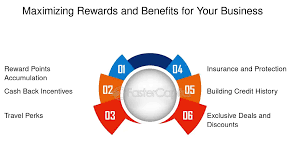
Introduction: When Traditional Funding Isn’t an Option
Starting or growing a business often requires capital—but not every business owner has access to bank loans, investors, or venture capital. In many cases, the most immediate and accessible funding source is a credit card.
Using a credit card to fund your business can be a smart short-term strategy—or a costly mistake—depending on how it’s used. This article breaks down how credit cards can be used to fund a business, the benefits, the risks, and how to do it responsibly.
Why Business Owners Turn to Credit Cards
Credit cards are often chosen because they offer:
- Fast access to funds
- No lengthy approval process
- Flexible usage
- Short-term financing options
For startups and small businesses, speed and flexibility can matter more than perfect terms.
Common Business Expenses Funded by Credit Cards
Many entrepreneurs use credit cards for:
- Marketing and advertising
- Inventory purchases
- Office supplies and software
- Travel and client meetings
- Emergency expenses
These are usually recurring, predictable costs that can be managed with discipline.
The Difference Between Funding and Financing
It’s important to understand the distinction.
- Funding provides capital to operate or grow
- Financing spreads repayment over time at a cost
Credit cards are best used as short-term financing tools, not long-term funding solutions.
Advantages of Using a Credit Card for Business Funding
1. Immediate Access to Capital
Credit cards allow you to act quickly:
- Launch campaigns
- Secure inventory
- Cover urgent expenses
Timing can be critical in business, and credit cards remove delays.
2. Cash Flow Flexibility
Credit cards offer a grace period before payment is due, which can:
- Smooth cash flow
- Bridge income gaps
- Align expenses with revenue cycles
This flexibility is valuable when income is uneven.
3. Rewards and Cashback
Many cards offer:
- Cashback on purchases
- Travel rewards
- Business spending bonuses
When managed properly, these rewards reduce overall costs.
4. Building Credit History
Responsible credit card use helps:
- Establish business or personal credit
- Improve future financing options
- Increase borrowing power
Consistency matters more than size.
Risks of Using Credit Cards to Fund Your Business
High Interest Rates
Credit cards typically carry higher interest rates than loans. Carrying balances long-term can:
- Eat into profits
- Create debt cycles
- Limit future growth
Interest should never exceed expected returns.
Overreliance on Credit
Using credit cards to cover ongoing losses is a warning sign.
Credit cards should support growth—not hide structural problems.
Personal Financial Exposure
Many business owners use personal credit cards, which means:
- Personal credit is at risk
- Personal assets may be exposed
- Financial stress increases
This risk must be weighed carefully.
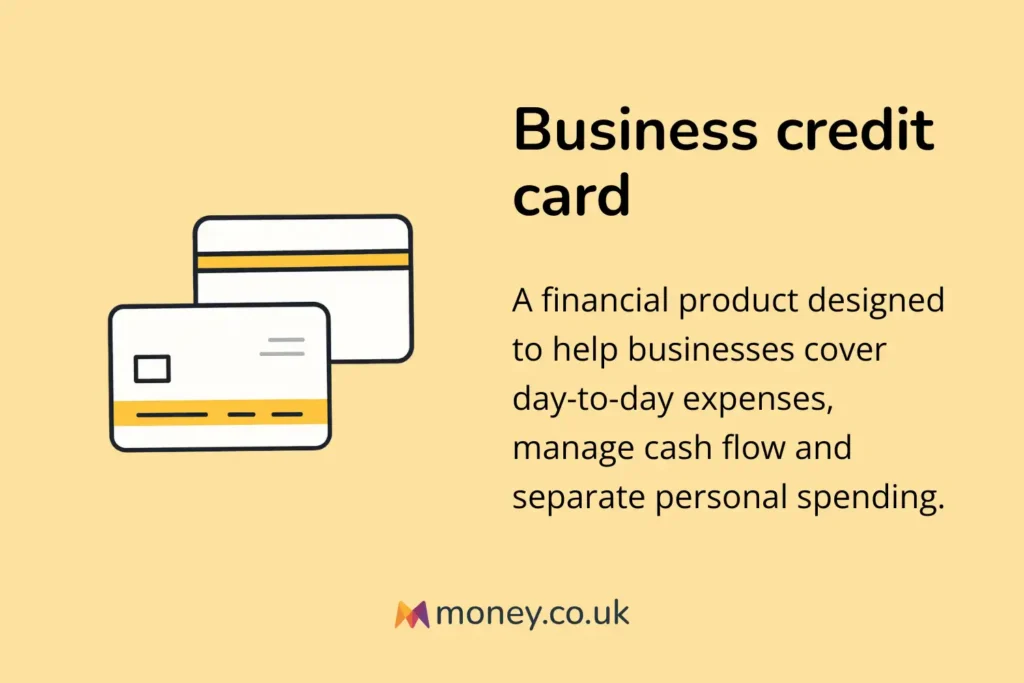
Business Credit Cards vs. Personal Credit Cards
Whenever possible, use business credit cards.
Benefits include:
- Better expense tracking
- Clear separation of finances
- Business-focused rewards
- Professional financial records
Even small or new businesses can often qualify.
Best Practices for Funding a Business With Credit Cards
Keep Utilization Low
Aim to use:
- Less than 30–40% of available credit
Lower utilization supports credit health and flexibility.
Pay Balances Strategically
Best approach:
- Pay balances in full whenever possible
- Avoid minimum payments as a habit
- Use promotional 0% APR periods wisely
Planning repayment is just as important as spending.
Track ROI on Credit-Funded Spending
Ask before every purchase:
- Will this expense generate revenue?
- How soon will it pay for itself?
Credit should accelerate growth—not delay accountability.
Using 0% APR Credit Cards for Business
Introductory 0% APR offers can be powerful if used correctly.
They allow:
- Interest-free short-term funding
- Strategic cash flow management
However:
- Missed deadlines can trigger high interest
- Discipline is required
Always know when the promotional period ends.
When Credit Cards Make Sense for Business Funding
Credit cards are most effective when:
- Funding short-term needs
- Covering predictable expenses
- Supporting revenue-generating activities
- Used with a clear repayment plan
They are tools—not solutions.
When Credit Cards Are the Wrong Choice
Avoid credit card funding when:
- Losses are ongoing
- No repayment strategy exists
- Interest outweighs potential returns
- Stress levels are already high
Sometimes the best decision is waiting or finding alternative funding.
Alternatives to Credit Card Funding
Consider:
- Small business loans
- Lines of credit
- Equipment financing
- Bootstrapping
- Revenue reinvestment
Each option has trade-offs worth evaluating.
Final Thoughts: Use Credit With Purpose
Using a credit card to fund your business isn’t inherently good or bad—it’s about how and why you use it.
When used strategically, credit cards can:
- Provide flexibility
- Support growth
- Improve cash flow
When misused, they can:
- Increase stress
- Reduce profitability
- Limit future options
The goal is not to avoid credit—but to use it intentionally, responsibly, and with a clear plan.
Word Count:
569
Summary:
More and more people are using their own personal credit card to fund their businesses. While this may be satisfactory in the short term, going down this route can create many financial headaches at a later stage.
Keywords:
credit,cards,0%,compare,balance transfers
Article Body:
The spate of credit card offers and leaflets that most of us receive through the post or in our daily newspapers, which promise us unlimited spending power and in some cases blank cheques, has threw up a major surprise and that is the way that small businesses are using personal credit cards that you or I use for granted in our daily personal use, to finance their business practices.
Many are doing this to the tune of almost �2 Billion a month and this is not getting spent on business expenses that they can claim back from the company coffers. The biggest uses are travel or entertainment. The personal credit cards are being used to fund the workings of the everyday running of the business and in some cases the company car is being charged to the credit card.
This has all come about because of the easy access to credit card lenders funds, which are put under our noses at every turn. You cannot even go to a supermarket or shopping mall without being accosted by some credit card sales representative offering you the chance of spending someone else�s cash.
So all in all it is hardly surprising that many people who either have to fund a small business or wish to start one, would feel this to be an easier road to go down, rather than sitting in front of the local friendly neighbourhood bank manager and having to explain all the little details on why you need a loan, while asking you to offer up guarantees. The guarantees enable them to be able to get their cash back and this could mean putting your home up as collateral if it all backfires.
So all of this makes the applying for the credit cards the easy option, as it quite easy to apply to credit cards and see yourself with a spending power of thousands and thousands of pounds with an amount as much as �50,000 easily attainable. So much easier than applying to the bank for this amount of backing! There a simple reason for this and that is that the bank, even if you think that they are killing your business plan, have to look at all the pros and cons to your claim and will access things that may even go wrong that you have not even considered or put into your business plan, before they will loosen the purse strings.
By doing this, the banks are also protecting you, yep that�s right protecting you from any irresponsible borrowing that may lead to you falling into a debt that you simply cannot find away out of. By going to the bank, you will be protecting yourself personally and if you are going the way of a limited company, with the assets of the business alone being the sole contributor of any debts owed, where as if you go down the personal credit card route, you will in no doubt find that a couple of big burly bailiffs, will come a Knocking at your door and start taking stock of you and your families belongings and that would be a tad more harder to take than a NO from your bank manager.
Useful contacts:
Debt Advice – http://www.adviceguide.org.uk
Credit Card Advice – http://www.creditcards-gb.co.uk


Tinggalkan Balasan